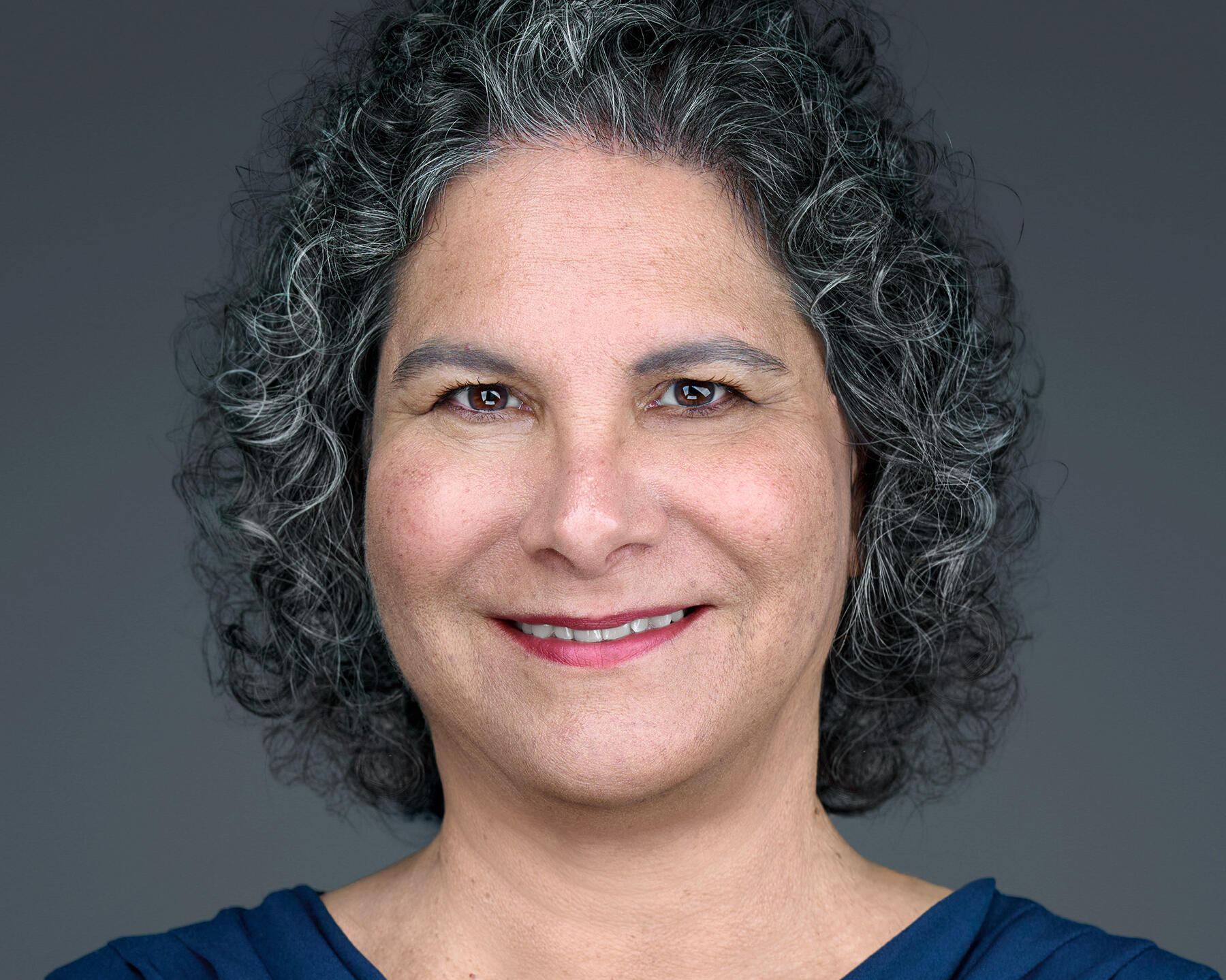
Carrie Shapiro-Mendoza
Executive and Leadership Coach
Leading well is demanding. You don’t have to do it alone.
I work with leaders who are navigating complexity, change, or a moment where the way forward isn’t obvious. Together, we create space to think clearly, reflect honestly, and lead with clarity about what matters now, given the decisions they hold.
© Carrie Shapiro-Mendoza. All rights reserved.
Leadership can be isolating
Many of the leaders I work with are highly capable and deeply committed to their work. They are juggling competing priorities, making consequential decisions, and carrying responsibility for others.Over time, the demands of leadership can narrow reflection and limit space to think clearly.Leadership does not always come with many places to slow down.
Who this work is for
I work with executives and emerging leaders across nonprofit, government, academic, and corporate settings.Some are stepping into new leadership roles. Others are managing increased scope, leading through change, or holding decisions that shape people, programs, or systems.Many are accomplished and values-driven, yet feel stretched, uncertain, or ready for a different way of leading.
About
I have spent much of my career working in complex, mission-driven environments where I held leadership responsibility and the pressure was real.
I became a coach because I’ve seen the difference it makes to have a thoughtful, trusted partner. Someone who creates space to reflect, question assumptions, and bring claritywhen demands compete.
My coaching draws on decades of leadership experience and is guided by clear professional ethics, sound judgment, and deep respect for confidentiality.
Professional background
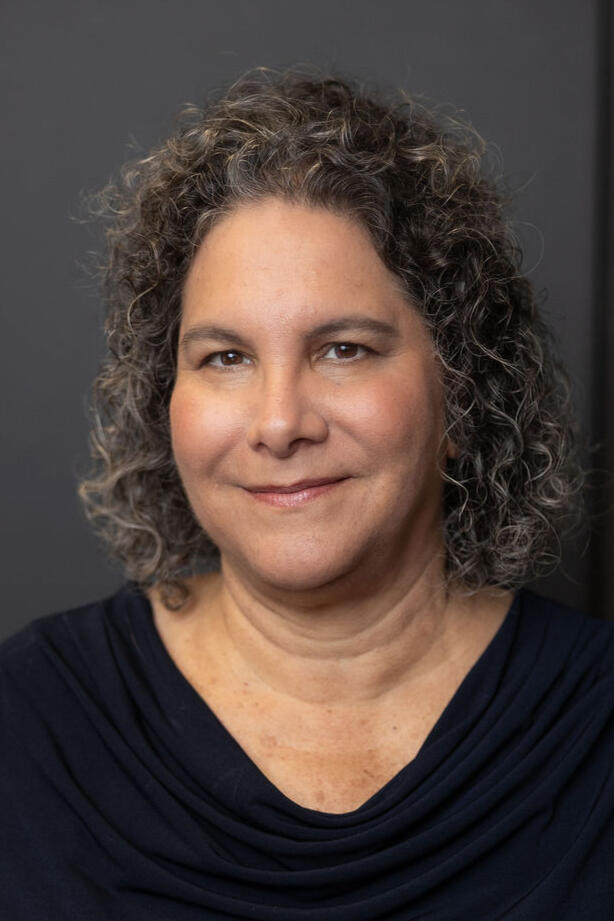
I bring decades of experience in public health leadership, research, and practice, with a focus on maternal and child health.
I spent over twenty years at the Centers for Disease Control and Prevention in national leadership roles, building and leading programs where decisions affected real people, systems, and policy. My work there focused on surveillance, research translation, and supporting state and national partners through complex, high-pressure challenges.
Earlier in my career I worked in hands-on clinical and community settings, including service with the Peace Corps and the U.S. Air Force. Those experiences continue to shape how I understand frontline realities and the people who hold responsibility for them.
Today I coach and advise leaders, serve as an adjunct professor at Emory University, and contribute to boards and advisory groups in public health and health policy. Across these roles, my work is grounded in sound judgment, professional ethics, and deep respect for confidentiality.For a fuller overview of my professional history, you can view my academic bio at Emory University or my LinkedIn profile below.
How I work
My role is to be a confidential, trustworthy thought partner.Coaching sessions are a space to slow down and reflect. We focus on what matters most, examine assumptions, and explore options without judgment. I ask thoughtful questions, offer perspective when useful, and challenge ideas with care and respect.The work is collaborative and client-centered. We start from the belief that you are capable of clear judgment, and that creating space to think matters when responsibility is real.Psychological safety, confidentiality, and ethical practice are foundational to how I work, and shape every coaching conversation.
What becomes possible
Over time, many leaders notice concrete shifts in how they show up.Decisions become clearer and less reactive. Difficult conversations feel more straightforward. Communication becomes more intentional and transparent, and teams understand priorities with less second-guessing. Leaders often feel more grounded in their role, and more honest with themselves about what matters most.The aim is not perfection.The aim is leadership that feels thoughtful, aligned, and sustainable.
Working together
Coaching engagements are tailored to your context, goals, and constraints. Some are short, focused partnerships around a specific decision or transition. Others unfold over time as leaders navigate ongoing complexity.In every case, the coaching relationship is grounded in confidentiality, clear boundaries, and ethical practice.If you would like to explore whether this work is a good fit, you are welcome to schedule a conversation.